

THE PAINFUL REALITY
It was not how I had it planned. It was not the way it was meant to be. I was to be first. When the evil mass took hold of my liver three years before and left me surrounded with doctors and nurses in full-on emergency gear, trying to keep me alive, I was convinced that this was it. But it was not to be. With their skill, the prayers of the people and the good and gracious hand of our God, I survived. But later, later that same year, the cancer made its presence known in her body. From then it continued its sinister and relentless pincer movement throughout her delicate frame, spreading its tentacles to the most important organs, till there was nothing left that could be done. The painful reality had to be faced, it was just a matter of time. Despite the treatment, the chemo, the radio, and immunotherapy, this thing inside her was slowly killing her and it would not let go.
HEARING BUT NOT LISTENING
I had three years to prepare for this event, but I wasn’t prepared. Even when the consultant told us it was weeks rather than months, I wanted to scream out in disbelief. Yet she knew and she tried so hard to tell me, to prepare me, to help me see, but I wasn’t listening and I didn’t see. It seemed like the cancer had been kept at bay. Life was as normal, nothing had changed and we could go on like this for years, maybe even decades. Yet she knew, she was right all along and I was wrong.
Nobody had told me about it how it would be or how I would feel. No one had explained to me what bereft actually meant. But, the thing is, they had, in words, in books, in poetry, in songs. It was all there it was just that I hadn’t listened. I couldn’t hear. I even wrote these songs myself. Ten years ago I wrote a song about bereavement through the seasons, but I never knew what it meant until now. I remember reading Bob Dylan’s comments on songs on one of his early album, which were preoccupied with death. He said he was too young to write songs like that, so they must have come from somewhere else.
THE EVENINGS
In the evenings, when we are alone and nothing else was happening, we would read the bible, with a devotional book someone had given her and we would pray together. It was a practice that was fitful at best throughout our married life but became a regular habit in the later years. It made me so happy. Each time I heard her pray, I cried. It was in the evening too, that we talked. We talked about the things we did that day and played the game “ Guess who I saw in town today?” A song by John Sebastian of the Lovin’ Spoonful came to mind. It was written back in the sixties and called “Darlin be home soon”. The recording seemed a bit cheesy, even at the time, but the song got to me then and strangely it came back to me now, with the opening lines “Come, and talk of all the things we did today/Hear, and laugh about our funny little ways..” It occurred to me too that this was what happened in the garden. It was in the evening of the day that God came and walked and talked with Adam and Eve. It is in the evenings that I feel most bereft.
HOW SHORT HOW SHORT
It all happened so quickly in the end. Sunday, we were sitting out having lunch in the garden. Monday brought an emergency GP appointment and a swift referral to the oncology ward. She was visibly relieved to lie down on that bed and be surrounded with the care she needed. By the Wednesday evening, I was so exhausted and distracted, she pleaded with me to go home and rest. On the Thursday morning, I was taking notes with her instructions of things to do that day, while she was messaging people with arrangements for a meeting in the following week. It was a busy day, people were coming and going and I had now grasped that time was short. I resolved to be awake when I returned in the evening and to make sure that I packed my bible and the book. When we were alone in the stillness , when the buzz of the ward had quietened down, we could read and pray together, just as we had done before. But it was not to be. By lunchtime she was gone.
THE EMPTY HOUSE
When I opened the door of the empty house for the first time, I was hit with the banal absurdity of it all. What was this place now for? What was the point of it? It was our home, now it wasn’t. It was my “stop all the clocks” moment. There was no need for this anymore. The newly decorated room, the restored windows, the Morris paper, the walnut floor, the Louie Poulsen lighting, the hand-crafted kitchen the carefully selected colours and fabrics, they were all about a place, our home, where friends and family from far and near would be welcomed, to share a meal, a rest for the night or longer. We wanted to be like the Shunamite woman who had a room with a bed, a chair, a table and a lamp for the prophet Elisha when he passed that way. Now it’s purpose has dissolved and I don’t know what to do.
THE OBSERVATION
Too soon, much too soon I read again C S Lewis’ “A Grief Observed”. It was brutal: grief was being like a “rat caught in a trap”, the bereaved were such a problem, maybe “they should be isolated in special colonies like lepers”, God must be a “giant vivisectionist” and worse. But he works his way through all of that in the most astonishing way. He climbs through the self-indulgent grief the self-pity, the flawed images and the house of cards to finally seeing “ I need Christ not something that resembles him” I hope I can get there.
THE PRECIOUS AND BEAUTIFUL THINGS
I love the proverb in the Book of Proverbs 24:3+4 partly because of its architectural reference. It goes: “By wisdom a house is built/By understanding it is established/By knowledge the rooms are filled with precious and beautiful things”. Together we built the house, she filled it with precious and beautiful things and the precious and beautiful things were people. My task is to cherish these precious and beautiful things.
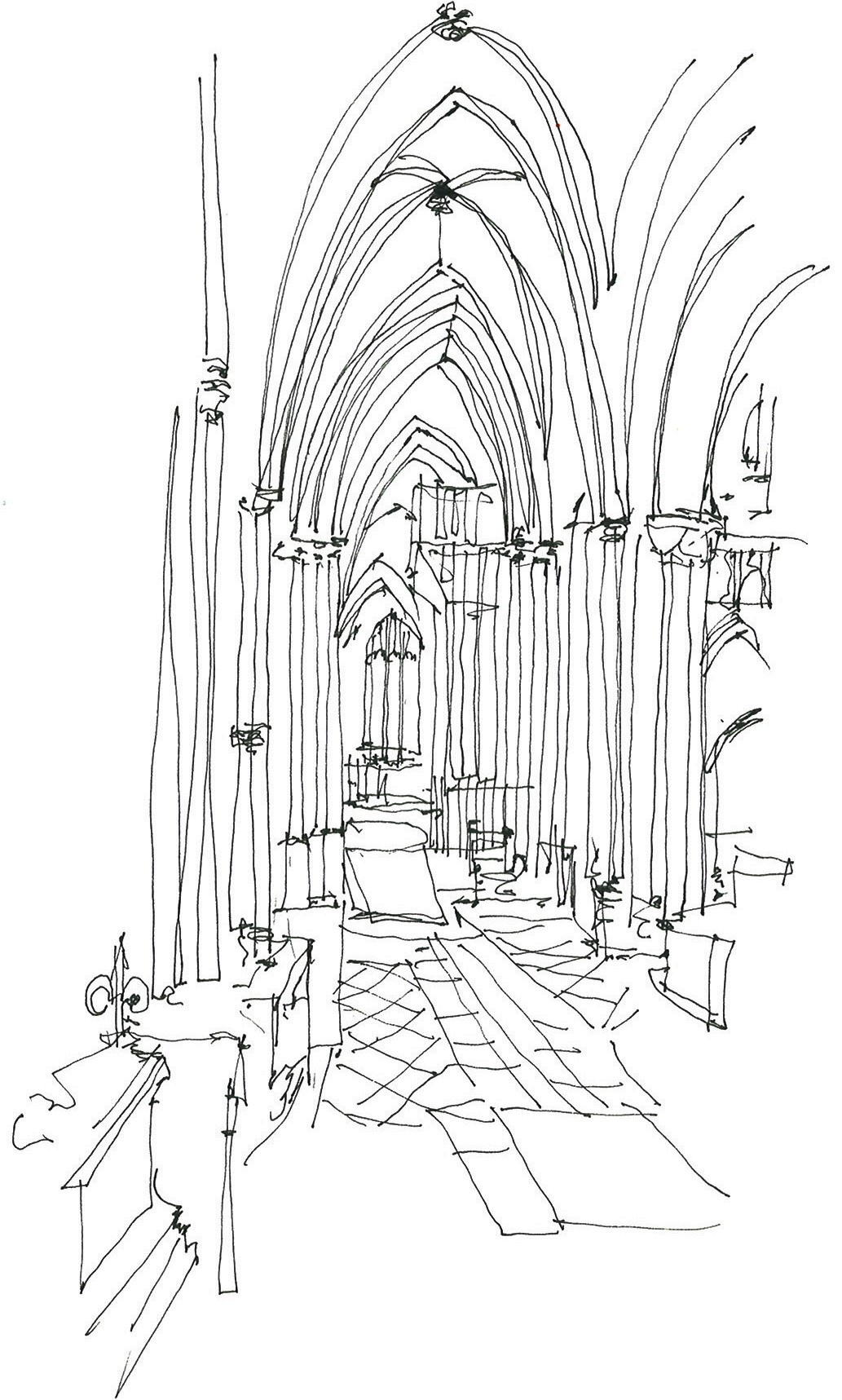
 Restless Spirit